
Valves & flow components
Instrument valves, isolation and control components, fittings and related oilfield-compatible assemblies.
SUPPLIERS & MANUFACTURING
We are building a supplier network around materials, valves, sensors, precision parts, sealing solutions and engineering manufacturing.
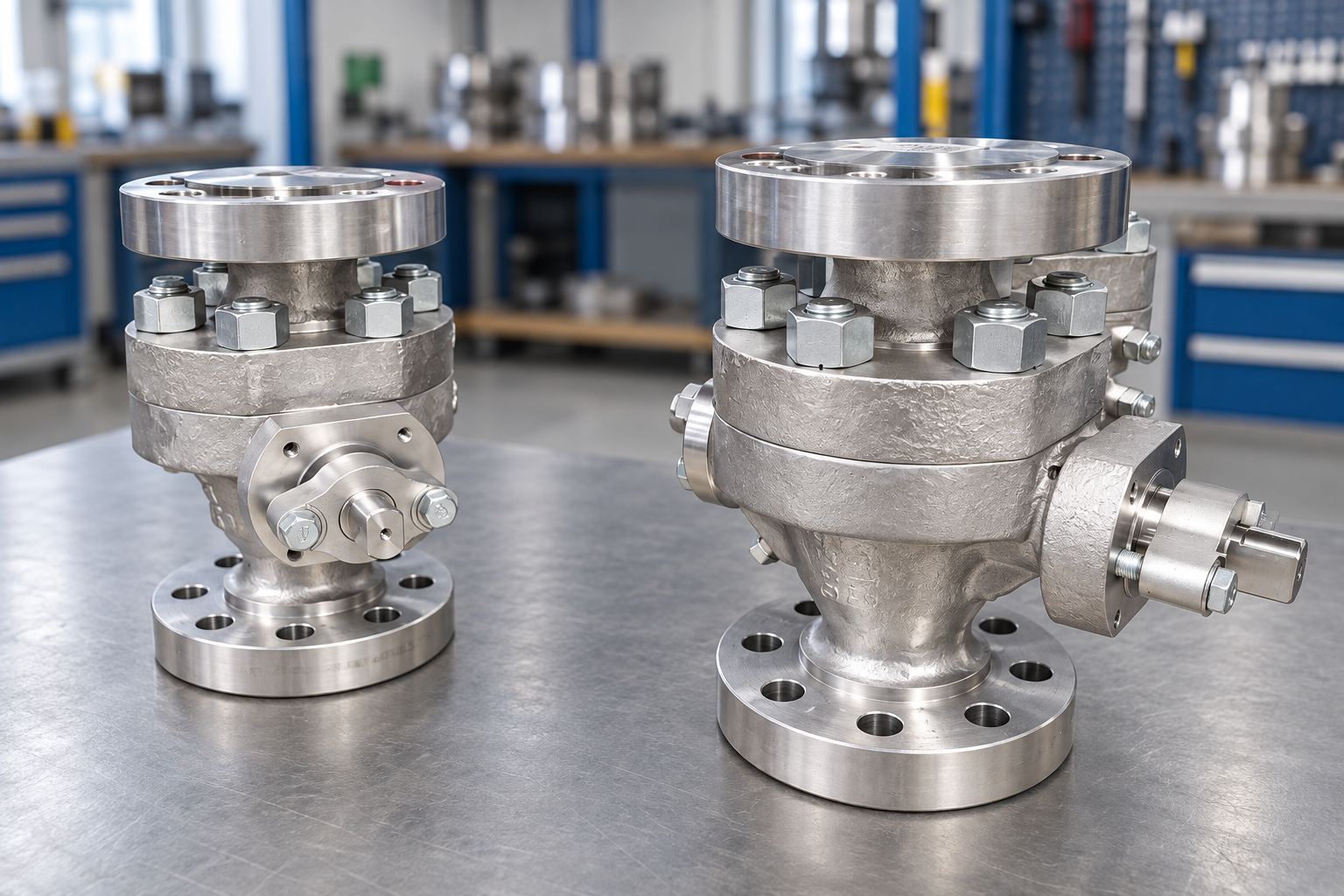
Gas-lift equipment connects mechanical interfaces, fluid handling, instrumentation and manufacturing quality. NAVI-OIL’s supplier discussions bring these workstreams together rather than treating an individual component as a complete system.
The focus is on relevant capability and application fit: what a specialist can make, inspect, document and support. Component requirements and responsibilities are established through a scoped discussion; the areas below are not an off-the-shelf product catalogue or an open purchase order.
Instrument valves, isolation and control components, fittings and related oilfield-compatible assemblies.
Pressure, temperature, position and event-sensing capabilities suitable for industrial system integration.
Machining, fabrication, welding, surface treatment, assembly and quality documentation.
Metals, elastomers, engineering polymers, seals and material support for demanding service conditions.
MATERIALS MEET MANUFACTURING
Material choice, machining quality and sealing interfaces come together at the assembly bench. We welcome partners who can connect their materials and manufacturing capabilities with this practical engineering work.
APPLICATION FIT
We look at materials and components in the context of an assembly. The examples below help suppliers relate their expertise to our gas-lift development work.
Valves, fittings, vessel connections and sealing interfaces for surface equipment.
Relevant media experience, material options, interface information and available inspection documentation.
Machined housings, shafts, brackets, fixtures and associated surface treatments.
Process capability, inspection methods, surface-finish options and experience supporting assembly work.
Sensors, connectors, cable assemblies and electronics for equipment interfaces.
Integration guidance, mounting options, signal documentation and relevant industrial experience.
Metals, elastomers and engineering polymers for contacting, guiding and sealing parts.
Material families, compatibility information, traceability and support for application-specific selection.
MANUFACTURING TOUCHPOINTS
Fabrication, material quality and incoming equipment condition are reviewed as connected parts of the manufacturing workflow.
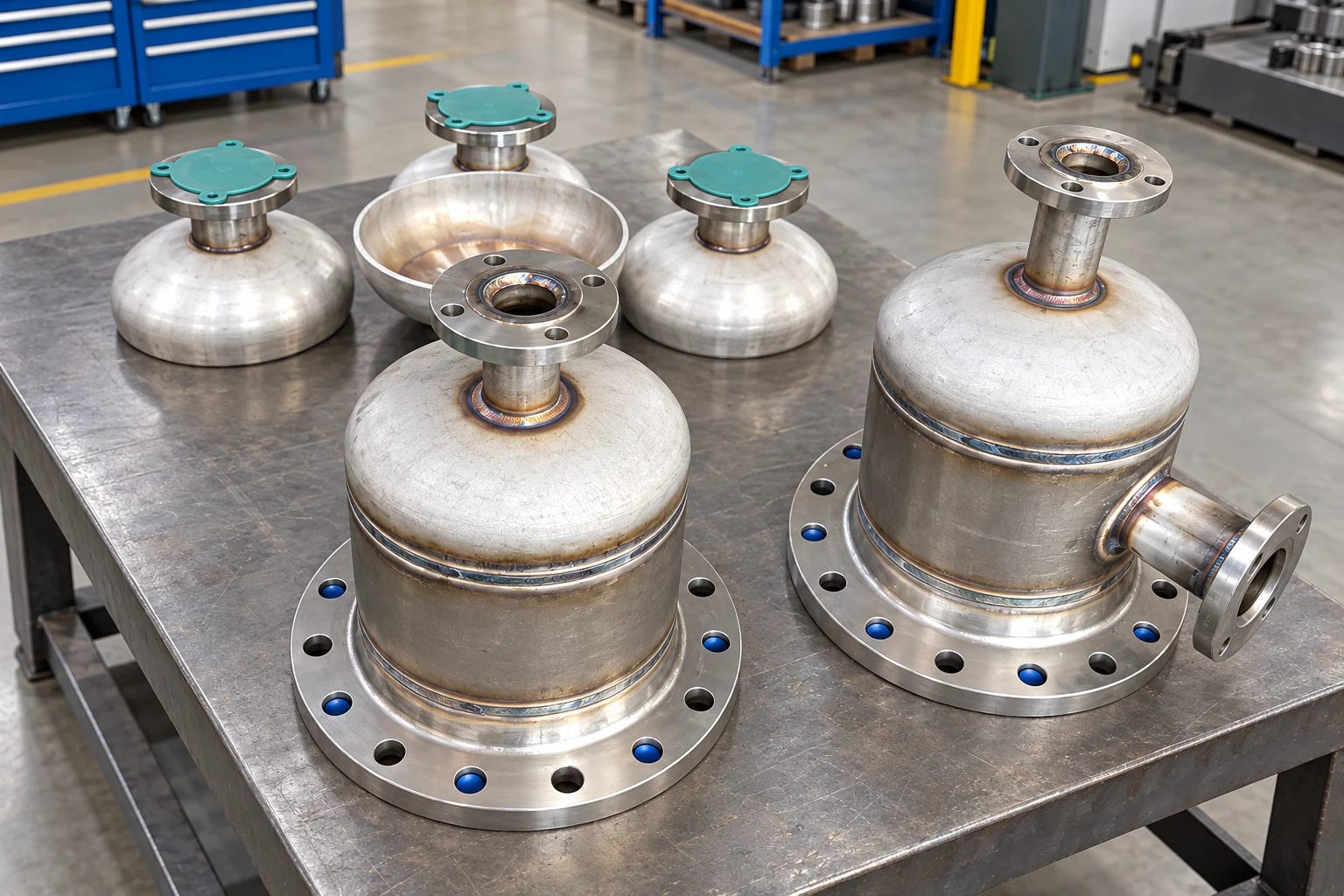
Process components bring forming, welding and flange preparation into view.
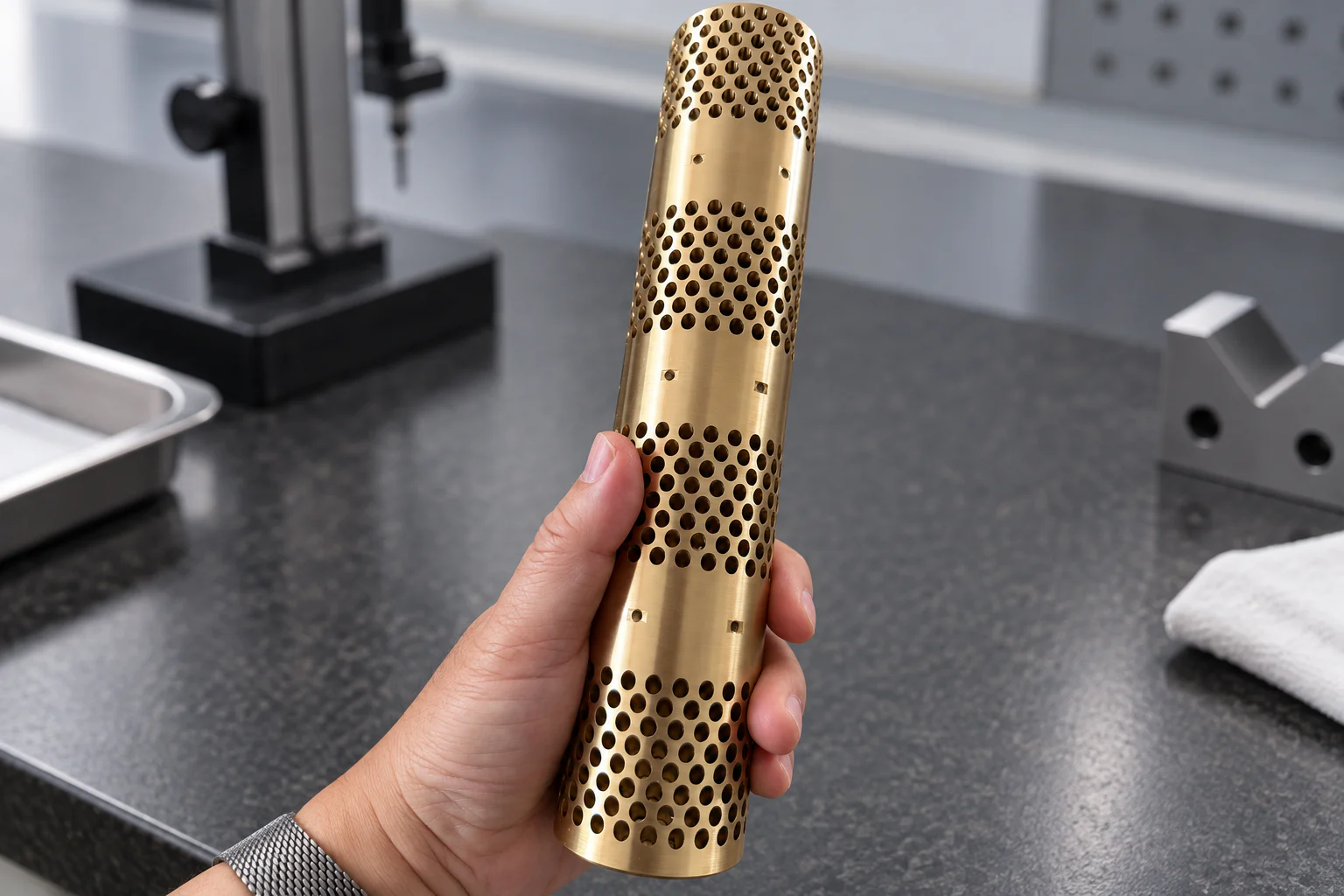
Surface finish and repeatable perforation patterns matter at the component level.
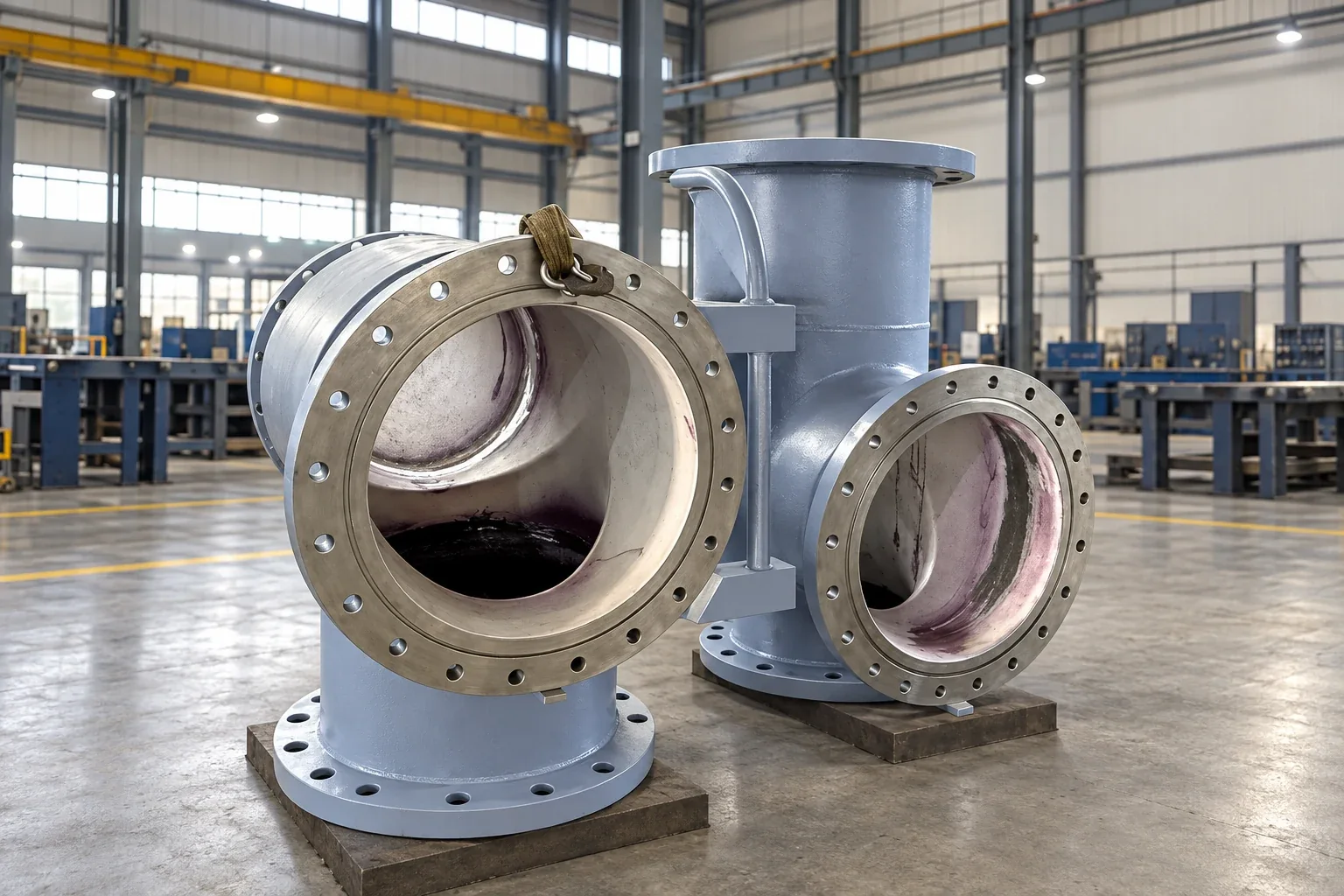
Protection, documentation and receiving condition shape later integration work.
WORKING WITH US
Share the materials, components or manufacturing processes you know best, with a relevant application example.
Discuss the intended function, component interfaces and the information needed to compare suitable options.
For a relevant fit, discuss sample availability, component scope, documentation and lead times. Any further work is agreed together.
SUPPLIERS & MANUFACTURING
These are areas of interest for supplier conversations. They are not a public request for quotation, approved vendor list or commitment to purchase.
Introduce your capabilities