
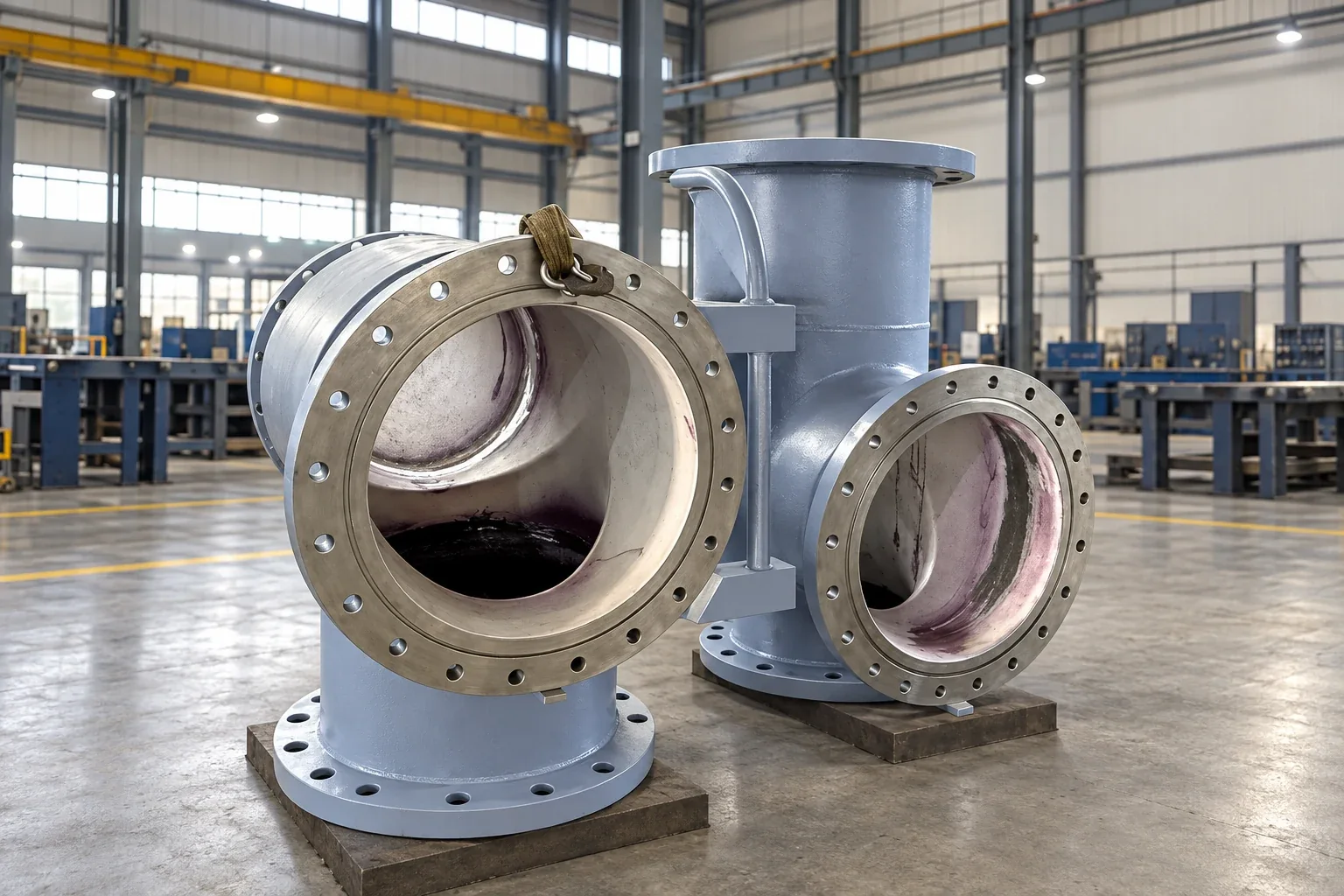
Start with capability, not an assumed specification
Early supplier conversations are most useful when they establish what an organisation can reliably make, inspect, document and support. A public introduction does not need confidential drawings, customer files or an unsolicited technical proposal.
NAVI-OIL’s current areas of interest include valves and flow components, sensors and instrumentation, precision machining and fabrication, materials and sealing, assembly, inspection and supporting engineering services.
What a concise capability introduction can include
A short, verifiable capability pack is more useful than a large generic brochure. It should help both parties decide whether a focused technical discussion is warranted.
- Legal company name, manufacturing location and primary contact.
- Relevant component families, materials and manufacturing processes.
- Available machining, fabrication, welding, treatment, assembly or test resources.
- Quality-management scope, inspection capability and calibration arrangements.
- Traceability, nonconformance, change-control and documentation practices.
- Relevant oilfield or demanding industrial experience that may be publicly shared.
Support capability claims with manufacturing and inspection evidence
An equipment list shows that resources exist, but does not by itself demonstrate process capability. A stronger introduction explains how relevant processes are controlled, how critical inspections are performed, how records are retained and how nonconforming output is isolated and resolved.
For precision machining, welding, materials and instrumentation scopes, useful evidence may also address personnel competence, equipment status, calibration, material identification, batch or item traceability, outsourced-process control and final-release responsibility. The applicable evidence must be agreed for the actual scope.
Quality systems provide a common language
API Specification Q1 addresses quality-management requirements for organisations providing products to the petroleum and natural gas industry. ISO 9001 provides a broader quality-management framework applicable across sectors.
These references help structure conversations about process control, competence, purchasing, inspection, testing, nonconforming output and continual improvement. Mentioning them here does not state that NAVI-OIL or a prospective supplier holds a particular certification, and the applicable requirements must be agreed for each scope.
Use a staged information exchange
Manufacturing collaboration is easier to manage when information is released in stages. Public capability information can support an initial fit review. A focused discussion can then define the technical and commercial interfaces. Detailed controlled information should only follow when there is a clear purpose, appropriate confidentiality and an agreed review path.
- Stage 1 — public capability introduction and relevance check.
- Stage 2 — scoped technical conversation and responsibility mapping.
- Stage 3 — controlled review of requirements, evidence and quality expectations.
- Stage 4 — agreed quotation, qualification or development activity where applicable.
Protect information at the first contact
Do not send passwords, export-controlled information, customer-confidential drawings, personal data unrelated to the enquiry or files that your organisation is not authorised to share.
The first contact should contain enough information to identify a plausible capability fit. NAVI-OIL can then establish the appropriate channel and scope for any subsequent exchange.
A practical next step
Suppliers can use the NAVI-OIL enquiry form to introduce their organisation, manufacturing location, relevant capability and a public company profile. The enquiry is an invitation to review fit; it is not a public request for quotation, an approved-vendor decision or a commitment to purchase.
Common engineering questions
What should a gas-lift equipment supplier send at first contact?
A concise public capability profile: organisation and manufacturing location, relevant parts and material families, controlled manufacturing processes, inspection support and shareable quality evidence. Detailed customer drawings or an assumed product specification are not needed for an initial fit review.
Does a quality-system certificate prove that any gas-lift component is suitable?
No. The certificate scope, the actual manufacturing and inspection capability, and the requirements of the particular component must be reviewed together. Referring to API or ISO standards is not a claim that NAVI-OIL or a supplier holds a certification.
Is a capability introduction a quotation request or supplier approval?
No. It starts a relevance review. Any later quotation, qualification, development activity or purchase commitment needs an agreed scope and a separate decision by the responsible parties.
Sources and further reading
- 01API Spec Q1 10th Edition announcementVisit source
American Petroleum Institute
- 02API Quality CertificationsVisit source
American Petroleum Institute
- 03ISO 9001 — Quality management systemsVisit source
International Organization for Standardization
- 04ISO 29001:2020 — Sector-specific quality management systemsVisit source
International Organization for Standardization
- 05ISO/IEC 17025:2017 — Competence of testing and calibration laboratoriesVisit source
International Organization for Standardization
- 06ISO 10012:2026 — Requirements for measurement management systemsVisit source
International Organization for Standardization
- 07Metrological Traceability: Frequently Asked Questions and NIST PolicyVisit source
National Institute of Standards and Technology
- 08API Digital Catalog — Spec 19G1, Spec 19G2 and Gas Lift HandbookVisit source
American Petroleum Institute