
Abstract
Gas-lift surveillance is a form of artificial-lift monitoring that helps engineers distinguish surface operating context from downhole response. Surface observations describe what the facility and control boundary were doing; downhole sensors and records add selected information from within the well. Neither view is sufficient on its own. This article explains how the two can be aligned without presenting a proprietary sensor design, control method or field-performance claim.
Key points
- 01
Surface information establishes the operating timeline and facility context, but it should not be treated as a direct measurement of every downhole condition.
- 02
Downhole records add location- and time-dependent evidence, while remaining subject to sensor scope, data quality and interpretation limits.
- 03
Engineering decisions require aligned timestamps, units, measurement identity, quality status and operating events—not an isolated trend or dashboard alarm.
Monitoring starts with an engineering question
Gas-lift monitoring, also described as gas-lift surveillance, is not simply the collection of more signals. Like other artificial-lift monitoring, it begins with a defined question: whether the system is operating as intended, whether conditions have changed, or whether a finding needs further technical review.
API RP 19G5 places surveillance alongside operation, maintenance and troubleshooting of gas-lift installations. SPE technical literature likewise treats surveillance as a foundation for understanding system state and focusing engineering attention. The practical objective is therefore an evidence-based workflow, not a dashboard by itself.
What surface information can explain
Surface information establishes the operating context around a well and its supporting facility. Depending on the approved instrumentation scope, this may include selected pressure, temperature, flow, injection, equipment-status and process-event records.
These observations can help establish when an operating change occurred, which equipment state or instruction was active, and whether the surrounding process was stable. They describe the surface boundary well; they do not automatically prove what happened at a particular downhole location.
- Establish the sequence of operating and handling events.
- Compare commanded state with recorded surface response.
- Provide context for production, injection and facility behaviour.
- Identify gaps, discontinuities or changes that require review.
What downhole sensors and records can add
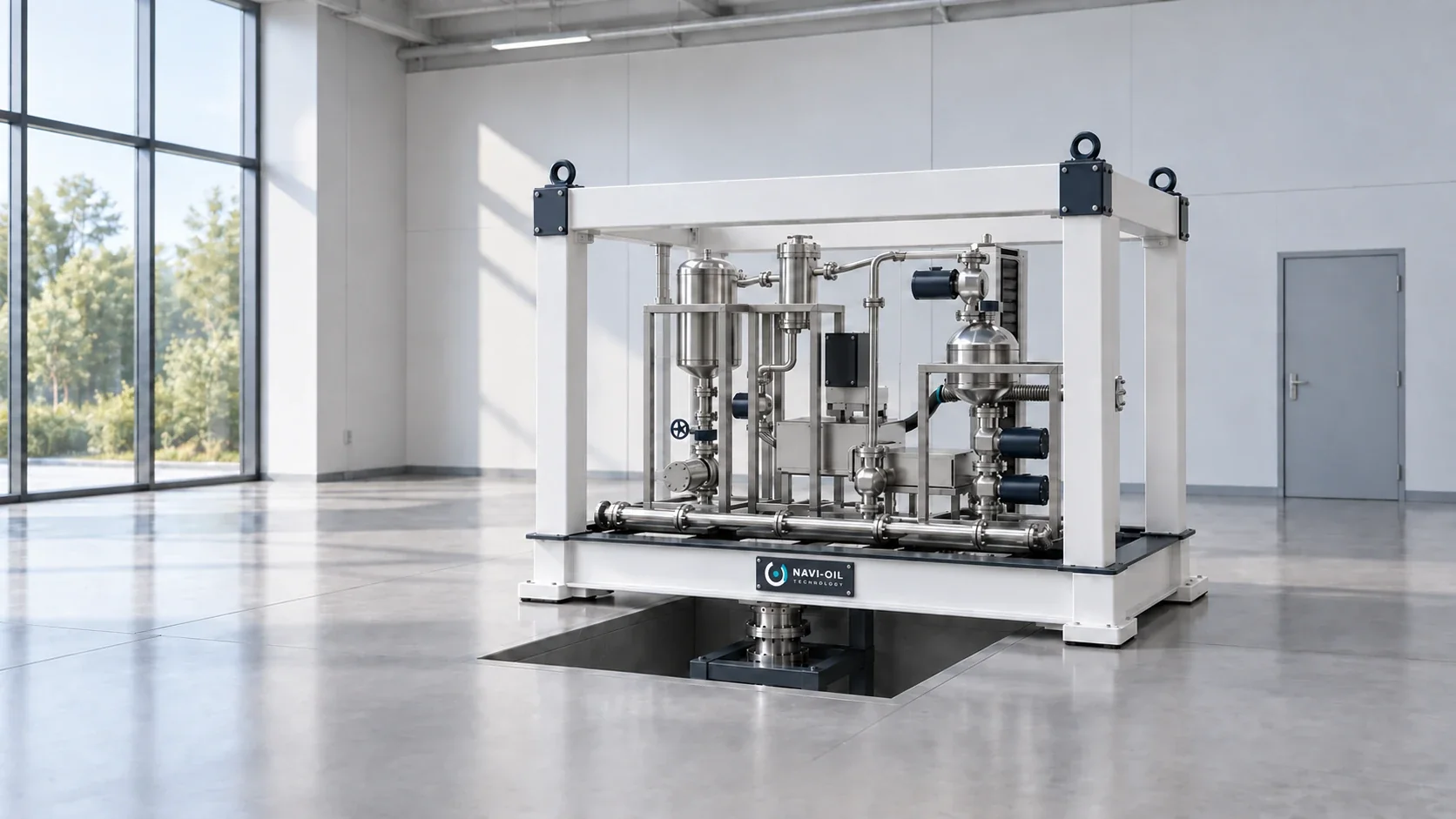
Downhole sensors can provide records from within the well rather than requiring every condition to be inferred from the surface. The useful content depends on the selected device, measurement location, acquisition interval and application objective. A mobile record, a permanent gauge and a calculated value do not have the same meaning or limitations.
NAVI-OIL’s public system view distinguishes circulating lift elements from instrumented balls. Instrumented balls are intended to record selected downhole conditions; this does not mean that every circulating element contains sensing functions, nor that a single record can describe the complete well.
The value appears when both views are aligned
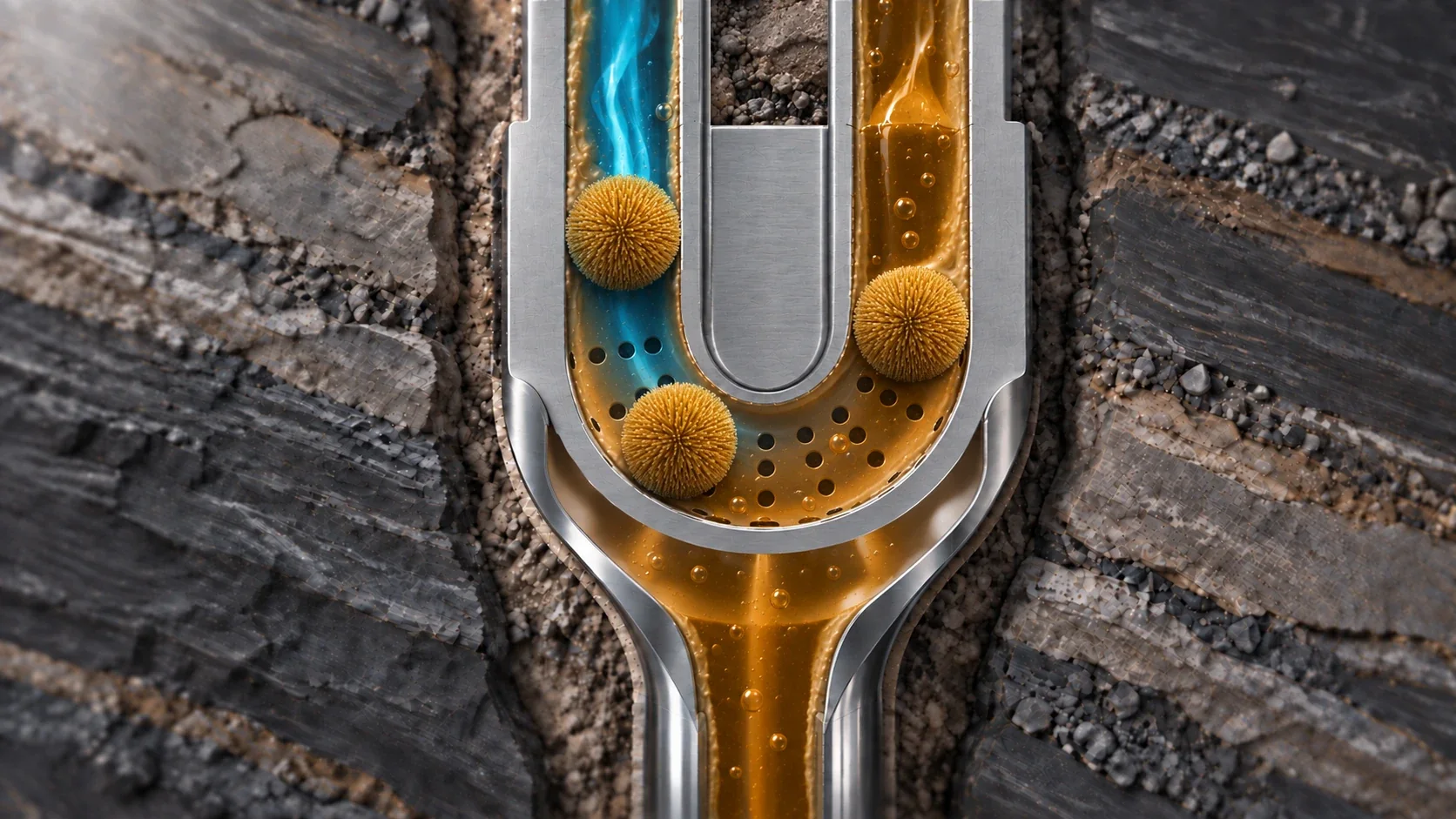
Surface and downhole information become more useful when they share a defensible timeline and operating context. The review should identify the source of each record, the measurement location, units, timestamp convention, quality status and the event to which it relates.
Integration does not mean forcing unlike data into one number. It means retaining enough context to compare relationships, test an interpretation and show where uncertainty remains. SPE examples of production surveillance consistently emphasise data integration as a means to support faster engineering review rather than as a replacement for subject-matter judgement.
Measurement quality is part of the engineering evidence
Before interpreting a trend, the reviewer should understand whether the measurement system was suitable for the question being asked. Calibration status, range, resolution, sampling, time synchronisation, missing data and processing history can all affect the conclusion.
NIST guidance makes an important distinction: metrological traceability belongs to a measurement result and requires a documented chain of calibrations and associated uncertainty. Traceability by itself does not guarantee fitness for a particular purpose. This is why data quality and application context must be reviewed together.
A disciplined review workflow
A monitoring review can follow a consistent sequence from the engineering question to the evidence, interpretation and responsibility for the next step.
- Define the engineering question and the period or event under review.
- Confirm record identity, units, time basis, location and quality status.
- Establish the surface operating context and relevant equipment state.
- Align selected downhole records without assuming that correlation proves cause.
- Record the interpretation, uncertainty and responsibility for the next review.
The scope of a monitoring conclusion
Monitoring records support a defined engineering question within the coverage and quality of the available measurements. They do not, by themselves, establish a complete equipment specification, a sensor performance claim or a production outcome for a particular well.
Before acting on a conclusion, the responsible parties should agree on the application, available instrumentation, data ownership, validation responsibilities and the decision being supported. Any operational recommendation still needs an application-specific engineering review.
Common engineering questions
Can surface pressure alone describe the downhole state?
A surface reading describes a measurement at its own location and time. Interpreting downhole behaviour also requires operating context and suitable evidence from the well; a single surface value is not a direct measurement of every downhole condition.
Does a change in a monitoring trend prove production loss?
Not by itself. The reviewer should check measurement quality, timing, equipment state and relevant production information before interpreting the change. Coincident trends are a reason to investigate, not proof of a particular cause or loss.
What must be checked before comparing surface and downhole records?
Confirm measurement identity and location, units, time convention, acquisition context, calibration and quality status, missing data and operating events. Traceable measurements still need to be suitable for the engineering question.
Sources: [7]
Sources and further reading
- 01API Standards Plan — RP 19G5 and Gas Lift HandbookVisit source
American Petroleum Institute
- 02API RP 19G5 — Operation, Maintenance, Surveillance, and Troubleshooting of Gas-Lift InstallationsVisit source
American Petroleum Institute publication catalog
- 03Artificial Lift—2022: Surveillance as the foundation of optimizationVisit source
Journal of Petroleum Technology / SPE
- 04Production MonitoringVisit source
Journal of Petroleum Technology / SPE
- 05Data Integration Enables Quicker DecisionsVisit source
Journal of Petroleum Technology / SPE
- 06ISO 17078-2:2026 — Flow-control device performance testing and calibrationVisit source
International Organization for Standardization
- 07NIST Policy on Metrological TraceabilityVisit source
National Institute of Standards and Technology